
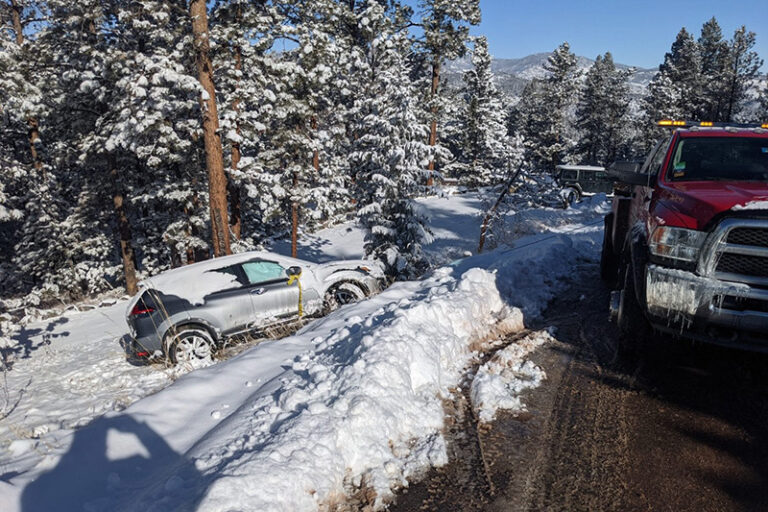
Few things test your composure like a sudden breakdown on a steep mountain pass. One moment you’re navigating hairpin turns with stunning views, and the next, your engine sputters, warning lights flash, or worse, you’re stuck in snow or a ditch with no cell signal in sight. It’s the kind of scenario that makes your heart race, especially when you’re far from the nearest town and traffic is barreling around blind curves behind you.
But here’s the thing: how you respond in those first few minutes can make all the difference between a manageable inconvenience and a genuinely dangerous situation. We’ve seen it all in our years of mountain towing and recovery work, and we can tell you that drivers who stay calm, follow the right steps, and prepare ahead of time almost always come out okay.
In this guide, we’ll walk you through exactly what to do if your vehicle breaks down on a mountain pass, from immediate safety measures to calling for help in remote areas. Whether you’re dealing with a flat tire, engine trouble, or you’ve slid off into soft terrain, these tips will help you stay safe and get back on the road.
Immediate Safety Steps After Breaking Down
The seconds immediately following a breakdown are critical, especially on a steep grade where gravity and traffic create compounding hazards. Your instincts might push you to jump out and inspect the problem, but resist that urge. First, we need to secure the scene.
Securing Your Vehicle on an Incline
On a mountain pass, your vehicle can roll if you’re not careful. Start by shifting into park (or first gear for manual transmissions) and engaging your parking brake firmly. If you have wheel chocks or even a large rock nearby, place it behind your tires to add an extra layer of security.
Here’s something many drivers don’t realize: if you’re stuck in snow, mud, or a ditch, don’t spin your wheels trying to get free. This can cause serious damage to your transmission and drivetrain, turning a minor inconvenience into a major repair bill. Stay put and wait for proper assistance.
Turn your steering wheel toward the shoulder or embankment. This way, if your brakes fail or the vehicle somehow slips out of gear, it’ll roll toward the mountainside rather than into traffic or, worse, over the edge.
Warning Other Drivers
Mountain roads often feature limited visibility around curves and over crests. Other drivers need as much warning as possible that you’re stopped ahead.
Immediately turn on your hazard lights. If you can safely do so, set up reflective triangles or flares at least 100 feet behind your vehicle (further if you’re just past a blind curve). At night or in fog, this becomes even more critical.
If you need to exit the vehicle, do so from the passenger side whenever possible, this keeps you away from passing traffic. Move to a safe location well off the roadway, ideally uphill from your vehicle where you can see oncoming traffic and they can see you.
Assessing the Situation and Diagnosing the Problem
Once you’re in a safe position, take a breath and try to figure out what happened. Sometimes the fix is simple: other times you’ll clearly need professional help.
Start with the obvious questions: Did your engine overheat? On steep climbs, this is incredibly common, especially in older vehicles or those with cooling system issues. Check your temperature gauge. If it’s redlined, do not open your hood immediately, give it time to cool.
Is your battery dead? A failed alternator or old battery can leave you stranded. If your dashboard lights are dim or nonexistent, you’re likely dealing with an electrical issue. Jump starts or battery replacement are quick fixes if you have the right equipment or can flag down help.
Flat tire? This is manageable if you have a spare, jack, and the know-how, though changing a tire on a steep incline presents its own challenges. Make sure your vehicle is completely stable before attempting this. On severe grades, we’d recommend waiting for roadside assistance rather than risking injury.
Out of fuel? It happens more than you’d think on mountain drives, where steep climbs burn through gas faster than highway driving. If this is the issue, you’ll need emergency fuel delivery.
If you can’t identify the problem or it’s clearly beyond a quick fix, don’t tinker excessively. You could make things worse. It’s time to call for help.
Calling for Help in Remote Mountain Areas
Here’s where breakdowns on mountain passes get tricky: cell service is often spotty or nonexistent. If you’ve got signal, great, call for roadside assistance immediately. But if not, you’ll need to get creative.
First, try moving to higher ground (if it’s safe to do so) or repositioning yourself on different sides of the road. Sometimes just a few feet of elevation change can pick up a signal. Text messages often go through when calls won’t, since they require less bandwidth.
Know your location as precisely as possible. Mile markers, nearby landmarks, the name of the pass or highway, these details help responders find you quickly. GPS coordinates from your phone (even without cell service, GPS often works) are incredibly valuable.
When you reach a towing service, choose one with mountain experience. Not all tow trucks are equipped for steep grades, and not all operators know how to safely recover a vehicle from a ditch or snowbank at 9,000 feet elevation. Bear Creek Towing specializes in exactly these conditions, our operators have extensive experience in steep mountain environments and carry the winch equipment needed to get vehicles out of snow, mud, or precarious positions safely.
We also work with insurance companies and motor clubs, so don’t hesitate to call even if you’re worried about cost. Light-duty towing is our specialty, and we’re committed to getting you back on the road as quickly and safely as possible.
Staying Safe While Waiting for Assistance
Depending on where you’ve broken down, help might arrive in 20 minutes or two hours. How you spend that time matters.
Stay with your vehicle unless it’s in immediate danger (fire, risk of sliding further, etc.). Your car provides shelter, visibility to rescuers, and warmth if you can safely run the heater periodically. If you do run the engine for heat, crack a window slightly and make sure your exhaust pipe isn’t blocked by snow or debris, carbon monoxide poisoning is a real risk.
Keep your hazard lights on, but be mindful of battery drain if your engine isn’t running. Periodically check that your warning triangles or flares are still in place and visible.
Weather and Environmental Hazards to Watch For
Mountain weather changes fast. A clear afternoon can turn into a whiteout blizzard within an hour. If conditions are deteriorating, prioritize staying warm and visible over everything else.
Watch for:
- Hypothermia: Even in mild temperatures, sitting still for hours can lower your core temperature. Layer up, use blankets, and stay dry.
- Rockfall and debris: Some mountain areas are prone to falling rocks, especially after rain or freeze-thaw cycles. If you notice unstable terrain above you, relocate if possible.
- Wildlife: In remote areas, curious or hungry animals may approach your vehicle. Keep windows closed and don’t leave food outside.
- Other drivers: Sadly, inattentive motorists are one of the biggest dangers. Stay visible, stay off the roadway, and keep alert.
If you flagged down another motorist earlier, don’t count on them actually calling for help once they reach cell service. Follow up if you can, or try again with passing traffic.
Essential Gear to Keep in Your Vehicle for Mountain Driving
The best time to prepare for a breakdown is before it happens. We recommend every mountain driver carry an emergency kit tailored to high-altitude, remote conditions.
The basics:
- Reflective warning triangles or road flares
- Flashlight with extra batteries (cold drains batteries fast)
- Jumper cables or a portable jump starter
- Basic tool kit (screwdrivers, pliers, adjustable wrench)
- Tire pressure gauge
- First aid kit
Mountain-specific additions:
- Warm blankets or sleeping bags (one per passenger)
- Extra warm clothing, gloves, and hats
- Non-perishable snacks and bottled water
- Ice scraper and small shovel
- Traction aids (sand, cat litter, or dedicated traction mats)
- Tire chains (required by law on many mountain passes during winter)
- Fully charged portable phone charger
Nice to have:
- Tow strap or recovery rope
- Wheel chocks
- Emergency whistle and bright-colored cloth or flag for signaling
- Paper maps of the area (your phone’s GPS might not help without data)
This gear takes up minimal trunk space but can be the difference between a minor inconvenience and a genuine emergency. Check your kit at the start of each season and replace anything that’s expired, depleted, or damaged.
Preventing Future Breakdowns on Mountain Roads
Let’s be honest, most mountain breakdowns are preventable with proper preparation. Your vehicle works harder on steep grades, and components that are “good enough” for city driving may fail under stress.
Before any mountain trip:
- Check your fluids: Coolant, oil, brake fluid, and transmission fluid all matter more when you’re climbing and descending for extended periods. Top off or change them if they’re due.
- Inspect your brakes: Descending long grades puts enormous strain on braking systems. Worn pads or low brake fluid can lead to brake fade, a terrifying experience on a mountain switchback.
- Test your battery: Cold temperatures reduce battery capacity significantly. If your battery is more than three years old, have it tested before heading into the mountains.
- Examine your tires: Check tread depth, look for sidewall damage, and verify proper inflation. Underinflated tires overheat on long climbs: overinflated tires lose traction. And if chains are required, make sure you have the right size and know how to install them.
- Fill your tank: Mountain driving burns more fuel than you’d expect. Start with a full tank and refuel whenever you drop below half, gas stations can be few and far between.
- Know your route: Check weather forecasts, road conditions, and potential closures before you leave. Many state DOT websites offer real-time updates on mountain passes.
Regular maintenance throughout the year, not just before trips, keeps your vehicle reliable when it matters most. Address small issues before they become roadside emergencies.
Conclusion
Breaking down on a steep mountain pass is stressful, no question. But with the right knowledge and preparation, it doesn’t have to be dangerous. Secure your vehicle, make yourself visible, assess the situation calmly, and call for help from a service that understands mountain conditions.
At Bear Creek Towing, we’ve built our reputation on handling exactly these situations. Our experienced operators know the challenges of steep terrain, and we arrive equipped with winch capabilities and the expertise to recover vehicles safely, whether you’re stuck in a ditch, stranded with a dead battery, or need a tow after an accident. We treat every vehicle and every customer with care, working quickly to get you back on the road.
The mountains are beautiful, but they demand respect. Drive prepared, maintain your vehicle, and know who to call when things go sideways. You’ve got this, and if you need us, we’ve got you.
