
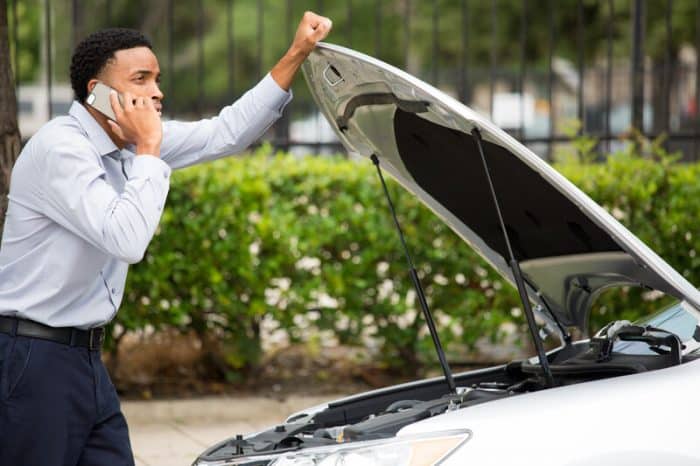
Summer in the Colorado foothills is beautiful. The roads through Evergreen, Conifer, and the surrounding mountain communities fill up with locals enjoying the season and visitors heading to trails, lakes, and campgrounds. But warmer weather also means our phones ring more often at Bear Creek Towing LLC. We see the same types of calls come in year after year once temperatures climb.
The good news? Most summer towing calls are preventable. Whether you’re commuting through Golden, hauling a boat through Morrison, or just running errands in Kittredge or Idledale, a little preparation goes a long way. Here’s a look at the most common summer breakdowns we respond to and what you can do to avoid ending up on the side of the road.
Key Takeaways
- Engine overheating is the most common summer towing call—check coolant levels regularly and inspect your cooling system before hot weather hits.
- Hot pavement causes tire pressure to rise, increasing blowout risk; check tire pressure monthly and inspect tread depth before road trips.
- Summer heat degrades car batteries faster than winter cold, so have yours tested before temperatures climb.
- Towing boats or trailers puts extra stress on your engine, transmission, and brakes—verify your vehicle’s tow rating and ensure all systems are in top condition.
- Fuel up before exploring mountain roads, as gas stations can be sparse and elevation changes reduce fuel economy.
- Most summer breakdowns are preventable with simple maintenance: check your coolant, tires, battery, and AC system before the season starts.
Overheating Engines in Hot Weather
This is the big one. When summer hits and temperatures push into the 80s and 90s, engine overheating becomes our most frequent call. Your vehicle’s cooling system has to work overtime in hot weather, and if there’s any weakness in that system, summer will find it.
The mountain roads around Evergreen and Conifer add an extra challenge. Climbing elevation puts more stress on your engine, and if your cooling system isn’t up to the task, you can find yourself stranded on Highway 74 with steam pouring out from under the hood. It’s not a fun situation, especially when you’re miles from home.
Signs Your Vehicle Is Overheating
Catching overheating early can save you from serious engine damage (and a tow). Here’s what to watch for:
- Temperature gauge climbing into the red zone or a warning light on your dashboard
- Steam rising from under the hood, this is an obvious one, but you’d be surprised how many people try to push through it
- Unusual burning smells coming from the engine compartment
- Loss of power or stalling, your engine may start cutting out as it tries to protect itself
If you notice any of these signs, pull over safely as soon as possible. Turn off your AC and turn on your heater (yes, really, it helps pull heat away from the engine). And whatever you do, don’t open the radiator cap while the engine is hot. That’s a burn waiting to happen.
Preventive Cooling System Maintenance
The best way to avoid an overheating emergency is to stay ahead of it with regular maintenance:
- Check your coolant levels every few weeks during summer, and top off as needed
- Inspect for leaks around the reservoir, hoses, and radiator, even small leaks can cause big problems when temperatures spike
- Get your cooling system professionally inspected according to your manufacturer’s schedule, including coolant flushes
- Check your belts and cooling fans for signs of wear, cracking, or damage
- Make sure your radiator cap is secure, a loose or failing cap can cause coolant loss
If you’re driving an older vehicle or one with higher mileage, it’s worth having a mechanic look things over before the heat of summer really kicks in.
Tire Blowouts on Hot Pavement
Hot pavement is brutal on tires. When the road surface heats up, it causes the air inside your tires to expand, which increases pressure. Combine that with worn tread or underinflated tires, and you’ve got a recipe for a blowout.
We see a lot of these calls during summer road trip season. Families heading up from Golden or Morrison to spend a day at the lake, trailers in tow, and suddenly they’re on the shoulder with a shredded tire. It happens fast, and it can be dangerous, especially on winding mountain roads where there’s not much room to pull off safely.
How to Prevent Tire Failures
Tire maintenance is one of the easiest things you can do to prevent a summer breakdown:
- Check your tire pressure regularly, at least once a month, and before any long trip. Do it in the morning when tires are cool for the most accurate reading.
- Know your recommended pressure, it’s in your owner’s manual and usually on a sticker inside the driver’s door. Don’t go by the number on the tire sidewall: that’s the maximum, not the target.
- Inspect your tread depth, if you can see Lincoln’s head when you stick a penny in the tread, it’s time for new tires.
- Look for signs of damage, cracks, bulges, or uneven wear can all indicate problems that heat will make worse.
- Don’t forget the spare, it won’t do you any good if it’s flat when you need it.
If you’re hauling anything, a boat, a trailer, camping gear, the extra weight puts additional stress on your tires. Make sure they’re rated for the load you’re carrying, and consider having them professionally inspected before any big trip.
Dead Batteries From Excessive Heat
Most people think of winter as the season that kills car batteries. And cold weather is tough on them, no question. But here’s something a lot of drivers don’t realize: summer is actually harder on batteries than winter.
Extreme heat speeds up the chemical reactions inside your battery, which causes it to degrade faster. It also increases evaporation of the fluid inside, which can lead to internal damage. The result? A battery that seemed fine in spring suddenly dies on a 90-degree afternoon in July.
We get a lot of jump start calls during summer, particularly from folks in Evergreen and the surrounding areas who’ve been out hiking or at a trailhead with the AC running while parked. That extra drain, combined with heat stress, can push an aging battery over the edge.
Here are some ways to protect your battery:
- Have your battery tested before summer arrives, most auto parts stores will do this for free
- Keep the terminals clean, corrosion increases resistance and makes your battery work harder
- Make sure plastic battery covers are intact, these aren’t just for looks: they help insulate the battery from engine heat
- Avoid short trips when possible, your alternator needs time to recharge the battery after starting
- Turn off accessories before you turn off the engine, headlights, AC, radio, all of it
If your battery is more than three years old, it’s worth keeping a closer eye on it. And if you’re not sure when it was last replaced, getting it tested is a smart move before the heat really sets in.
Breakdowns While Towing Boats and Trailers
Summer in the Colorado mountains means boats heading to Chatfield, trailers full of camping gear, and the occasional tiny house being relocated. We love seeing people get out and enjoy the season. But towing puts serious stress on your vehicle, and breakdowns while hauling are some of the more complicated calls we respond to.
When you’re towing, your engine runs hotter, your transmission works harder, and your brakes take more abuse. If any of these systems aren’t in top shape, hauling a boat up Highway 285 or pulling a camper through Conifer can push them past their limits.
At Bear Creek Towing LLC, we handle all kinds of specialized towing, boats, trailers, fifth wheels, gooseneck trailers, even tiny houses and small sheds. So we see firsthand what goes wrong when vehicles aren’t prepared for the extra load.
Before you tow anything this summer:
- Check your transmission fluid, towing generates extra heat, and low or old fluid can lead to transmission failure
- Make sure your cooling system is in peak condition, this isn’t the time to ignore that slightly low coolant level
- Verify your vehicle is rated for the weight you’re hauling, exceeding your tow rating is asking for trouble
- Allow longer stopping distances, your brakes need more time and space when you’re pulling weight
- Take breaks on long hauls, letting your vehicle cool down during extended towing trips can prevent overheating
And if you do break down while towing, stay calm. Don’t try to disconnect the trailer on a busy road. Get as far off the pavement as you safely can, turn on your hazard lights, and call for help. We’ll take care of the rest.
Running Out of Fuel on Road Trips
This one might seem obvious, but you’d be surprised how often we get calls for fuel delivery during summer. It’s easy to underestimate how far you’ve driven when you’re enjoying the scenery, and gas stations can be few and far between in the mountain communities.
The stretch between Golden and Evergreen, for example, doesn’t have a ton of fuel options. Same goes for the smaller roads through Morrison, Kittredge, and Idledale. If you’re exploring back roads or heading to a remote trailhead, it’s smart to fill up before you leave town.
A few tips to avoid running dry:
- Don’t let your tank get below a quarter full, this is good practice year-round, but especially important when you’re traveling in areas with limited services
- Know where gas stations are along your route, a quick check before you leave can save you a lot of stress
- Factor in elevation changes, climbing uses more fuel than driving on flat ground, so your mileage may be worse than usual on mountain roads
- If you’re towing, expect lower fuel economy, that boat or trailer adds drag, which means more frequent fill-ups
We offer emergency fuel delivery as part of our roadside services, so if you do find yourself stranded, we can get you enough gas to reach the nearest station. But it’s always better to plan ahead and avoid the situation entirely.
Air Conditioning System Failures
Your AC might not seem like a safety issue, but when it’s 95 degrees and you’re stuck in traffic on I-70 heading back from the mountains, a failed air conditioning system is more than just uncomfortable. It can lead to heat exhaustion, especially for kids, elderly passengers, or pets.
AC systems work hardest during summer, and that stress can reveal problems that weren’t obvious during cooler months. Low refrigerant, worn compressor clutches, and failing fans are all common culprits.
While AC failure alone usually doesn’t require a tow, it can contribute to other problems. Running your AC on full blast constantly puts extra load on your engine, which means more heat under the hood. If your cooling system is already marginal, that extra strain can tip things over into overheating territory.
To keep your AC running through summer:
- Have it inspected before the season starts, a refrigerant check and system test can catch problems early
- Listen for unusual noises when the AC kicks on, grinding or squealing can indicate compressor issues
- Notice if cooling performance has dropped, weak airflow or air that’s not as cold as it used to be are warning signs
- Avoid running AC at idle for extended periods, if you’re parked and waiting, crack the windows instead when possible
If your AC stops working mid-trip, roll down the windows and keep moving, airflow will help. Just keep an eye on your temperature gauge to make sure your engine isn’t struggling with the added heat.
Conclusion
Summer should be about enjoying everything the Colorado foothills have to offer, not sitting on the side of the road waiting for a tow truck. Most of the calls we get during the warm months could have been avoided with a little preventive maintenance and some awareness of how heat affects your vehicle.
Check your coolant. Check your tires. Check your battery. And if you’re towing anything, make sure your vehicle is up to the task. These aren’t complicated or expensive steps, but they can save you a lot of hassle (and money) when temperatures climb.
Of course, breakdowns happen even to well-maintained vehicles. When they do, Bear Creek Towing LLC is here to help. We serve Evergreen, Conifer, Golden, Morrison, Kittredge, Idledale, and the surrounding mountain communities with fast, reliable roadside assistance and towing services. Whether you need a jump start, a tire change, fuel delivery, or a flatbed tow, we’ll get you back on the road with care.
Got questions or need help? Give us a call. We’re local, we know these roads, and we’re ready when you need us.
Frequently Asked Questions
What are the most common summer towing calls?
The most common summer towing calls include overheating engines, tire blowouts from hot pavement, dead batteries due to extreme heat, breakdowns while towing boats or trailers, running out of fuel on road trips, and air conditioning system failures. Most of these issues are preventable with regular maintenance and preparation.
How can I prevent my car from overheating in summer?
To prevent overheating, check coolant levels every few weeks, inspect hoses and radiator for leaks, ensure belts and cooling fans aren’t worn or damaged, and verify your radiator cap is secure. Have your cooling system professionally inspected before summer, especially if you drive an older or high-mileage vehicle.
Why does summer heat kill car batteries faster than winter?
Extreme summer heat accelerates chemical reactions inside your battery, causing faster degradation. Heat also evaporates internal fluid, leading to permanent damage. A battery that seemed fine in spring can suddenly fail on a hot afternoon, making summer actually harder on batteries than cold winter months.
What should I check before towing a boat or trailer in hot weather?
Before towing, check transmission fluid levels, ensure your cooling system is in peak condition, and verify your vehicle’s tow rating matches your load. Towing generates extra engine heat and transmission strain, so proper preparation prevents breakdowns on mountain roads during summer trips.
How often should I check tire pressure during summer?
Check tire pressure at least once a month and before any long trip. Do it in the morning when tires are cool for accurate readings. Hot pavement causes air inside tires to expand, increasing blowout risk—especially with worn tread or underinflated tires during summer road trips.
What should I do if my car starts overheating while driving?
Pull over safely as soon as possible. Turn off the AC and turn on your heater to pull heat away from the engine. Never open the radiator cap while the engine is hot to avoid burns. Call for roadside assistance if the temperature doesn’t stabilize after the engine cools.
