
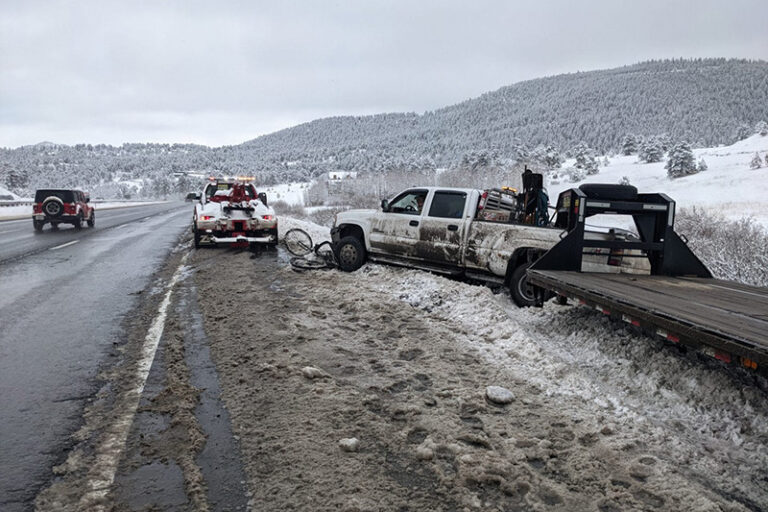
Few things rattle your nerves quite like a breakdown on Interstate 70 in the Colorado mountains. One minute you’re cruising through breathtaking alpine scenery near Evergreen, and the next you’re pulled over on a narrow shoulder with traffic roaring past, maybe in the middle of a snowstorm, maybe with your phone at 12% battery. We get it. At Bear Creek Towing, we’ve responded to thousands of these calls since 2012, and we know exactly how stressful those first few minutes can be.
The good news? Getting help fast on I-70 near Evergreen is absolutely possible if you know what to do. This guide walks you through the most common reasons drivers end up stranded, the immediate steps that keep you safe, and how to reach roadside assistance quickly, even in areas with spotty cell coverage. Whether you’ve slid off an icy patch, run out of fuel, or heard that ominous clunk under the hood, we’ve got you covered.
Common Reasons Drivers Get Stranded on I-70
I-70 through the Evergreen corridor presents a unique set of challenges that catch even experienced drivers off guard. Understanding the most frequent causes of breakdowns helps you prepare, and sometimes avoid, these situations altogether.
Flat tires and blowouts top the list. The steep grades and sharp curves put extra stress on tires, and debris from rockslides or construction zones can puncture even newer rubber. We see this constantly, especially during summer travel season when temperatures cause tire pressure to fluctuate.
Dead batteries rank as another major culprit. Cold mountain temperatures drain batteries faster than you’d expect, and that short trip to the ski slopes can turn into an unexpected pit stop when your engine won’t turn over.
Running out of fuel happens more often than people admit. The elevation changes mean your vehicle burns gas differently than on flat terrain, and gas stations become fewer and farther between once you leave the Denver metro area.
Mechanical failures, overheating engines, transmission problems, broken belts, account for a significant portion of our calls. The altitude and steep climbs push vehicles harder, sometimes exposing underlying issues that wouldn’t surface during normal city driving.
Finally, weather-related incidents like sliding off the road in snow or ice keep us busy throughout winter. Even all-wheel drive vehicles can lose traction on black ice or packed snow, especially in shaded areas where the sun doesn’t reach the pavement.
Knowing these common issues helps you prepare. Keep your tires properly inflated, get your battery tested before winter, fill up before heading into the mountains, and stay current on maintenance. But when something does go wrong, knowing your next steps makes all the difference.
Immediate Steps to Take When Your Vehicle Breaks Down
When your car starts acting up on I-70, your first instinct might be to panic. Don’t. The actions you take in those initial moments directly affect your safety and how quickly help can reach you.
Safely Moving Off the Highway
Your absolute first priority is getting out of the flow of traffic. Signal immediately and steer toward the right shoulder if at all possible. On I-70 near Evergreen, the shoulders can be narrow and sometimes nonexistent in certain stretches, so take what you can get, but get over.
Once stopped, put your vehicle in park and engage the parking brake. This is critical on mountain grades where your car could roll. If you can safely exit, do so from the passenger side to avoid stepping into traffic. Move well away from the roadway, at least 100 feet if possible, and position yourself uphill from your vehicle.
Here’s something we tell every caller: if you get stuck in snow, mud, or a ditch, don’t spin your wheels. We know it’s tempting to try rocking the vehicle free, but this can cause serious damage to your transmission and drivetrain. It also digs you in deeper. Wait for professional help.
Alerting Other Drivers
Visibility is everything on a mountain highway. Turn on your hazard lights immediately, this is non-negotiable. If you have them, set out reflective triangles or flares behind your vehicle, placing them at increasing distances (roughly 50, 100, and 200 feet back) to give approaching drivers time to react.
At night or in low-visibility conditions like fog or snow, these precautions become even more critical. Drivers coming around curves may have only seconds to see your disabled vehicle and adjust. Pop your hood as an additional signal that you’re broken down, not just parked.
Stay visible yourself, but stay safe. If you’re wearing dark clothing, stay in your vehicle with hazards on rather than standing outside where drivers can’t see you.
Emergency Numbers and Roadside Assistance Services
Once you’re safely positioned, it’s time to call for help. Having the right numbers ready, before you need them, can shave precious minutes off your wait time.
For emergencies involving injuries or immediate danger, dial 911 first. Colorado dispatchers can route help to your location even if you’re unsure of the exact mile marker.
For non-emergency breakdowns, you have several options. If you have motor club membership (AAA or similar) or roadside coverage through your insurance, those are good starting points. Many motor clubs contract with local towing companies, and here’s a tip: you can often request a specific provider. We work with most major insurance companies and motor clubs, so if you’re near Evergreen and want Bear Creek Towing dispatched, just ask.
For direct service, calling a local towing company often gets faster results than going through a national dispatch center. Why? Because local operators know the terrain, know the best access points, and can give you realistic arrival estimates based on current conditions.
Colorado State Patrol and Highway Help Programs
Colorado offers some helpful resources specifically for highway travelers. The Colorado State Patrol can be reached at *277 from any cell phone, useful for reporting hazards or requesting assistance when you’re not sure who else to call.
CDOT’s Highway Assistance Program operates on major corridors including I-70, with roving vehicles that can help with minor issues like flat tires, jump starts, and fuel delivery. But, coverage varies by location and time of day, so don’t count on them as your sole option.
Save these numbers in your phone now:
- 911 for emergencies
- *277 for Colorado State Patrol
- Your insurance company’s roadside line
- A trusted local towing service in the area you’ll be traveling
Having these contacts ready means you’re not fumbling through search results on a freezing shoulder with gloves on.
Using Roadside Assistance Apps and GPS Features
Technology has made getting help on I-70 considerably easier, when it works. Several apps and built-in vehicle features can connect you with assistance, but understanding their limitations in mountain terrain is just as important as knowing how to use them.
Roadside assistance apps from AAA, your insurance company, or standalone services like Honk or Urgently let you request help with a few taps. The advantage? You can share your exact GPS location, which is crucial on a highway where mile markers might be obscured or hard to read. Many apps also provide real-time tracking so you know when your tow truck is approaching.
The catch? Cell coverage along I-70 near Evergreen can be spotty, particularly in canyon areas and during storms. If your app won’t load or your GPS location won’t send, don’t waste precious battery trying. Switch to a voice call instead.
Built-in vehicle assistance features like OnStar, BMW Assist, or similar services can connect you directly to help through your car’s system. These often use different cellular networks than your phone and may work when your mobile signal doesn’t. If your vehicle has this feature, it’s worth using.
GPS and mapping apps serve another purpose: helping you describe your location accurately. If you can pull up Google Maps or Apple Maps, note the nearest mile marker, exit, or landmark. Even better, drop a pin and text it to the towing company if messaging works.
One more thing, before you head into the mountains, download offline maps for the areas you’ll be traveling. This way, even without cell service, you can pinpoint your location and share coordinates when you do get a signal.
What to Expect While Waiting for Help in Mountain Terrain
Once you’ve made the call, the waiting begins. Mountain rescues take longer than city pickups, that’s just reality. Understanding what’s happening on our end can make the wait feel less agonizing.
Response times on I-70 near Evergreen vary based on several factors: current traffic conditions, weather, distance from the nearest tow truck, and the specific nature of your situation. During a clear summer afternoon, we might reach you in 20-30 minutes. During a winter storm with chain laws in effect and multiple accidents on the highway? It could be an hour or more. We always give honest estimates.
Our fleet includes four-wheel drive Dodge Ram 5500 wreckers and flatbeds specifically equipped for mountain work. We also run a medium-duty Freightliner flatbed for larger vehicles. This equipment matters because standard two-wheel drive tow trucks often can’t safely operate on icy grades or reach vehicles that have slid off the roadway.
When we arrive, here’s what typically happens: we’ll assess the situation, determine the safest approach, and discuss options with you. If you’ve slid into a ditch, we may need to use winch equipment to extract your vehicle. If it’s a simple flat tire or dead battery, we can often handle it on the spot and get you driving again without a tow.
For accident recovery or situations where your vehicle can’t be safely driven, we’ll transport it to a location of your choice or to our secure yard if you need time to arrange repairs. We pay special attention to your vehicle during transport, damage-free towing is something we take seriously, whether you’re driving a daily commuter or a classic car.
Stay in communication with us while you wait. If conditions change or you notice something new (like a fluid leak you hadn’t seen before), let us know. And please, stay safe and visible.
Tips for Staying Safe in Harsh Weather Conditions
Breaking down in good weather is stressful enough. Add a snowstorm, freezing temperatures, or high winds into the mix, and the situation becomes genuinely dangerous. Preparation is everything.
Stay in your vehicle unless there’s an immediate reason to leave (like fire or the risk of being hit). Your car provides shelter, and searchers can spot it more easily than a person walking along the highway. Running the engine periodically for heat is fine, but crack a window slightly and make sure the exhaust pipe isn’t blocked by snow, carbon monoxide poisoning is a real risk.
Keep an emergency kit in your vehicle year-round. Ours includes:
- Warm blankets or sleeping bags
- Non-perishable snacks and water
- Flashlight with extra batteries
- First aid supplies
- Phone charger (portable battery pack)
- Ice scraper and small shovel
- Jumper cables
- Basic tools and duct tape
In winter, add hand warmers, extra warm clothing, and sand or cat litter for traction if you need to walk.
Conserve your phone battery. Dim the screen, close unnecessary apps, and avoid streaming or browsing while you wait. You need that phone to stay in contact with rescuers.
Signal for help beyond your hazard lights if visibility is poor. A brightly colored piece of clothing tied to your antenna or placed on the roof can help tow operators and patrol vehicles spot you.
Don’t accept rides from strangers unless absolutely necessary for your safety. Wait for professional help or law enforcement.
Finally, trust your gut. If conditions are deteriorating rapidly and you feel your life is in danger, call 911 again and communicate that clearly. Sometimes a breakdown becomes a rescue situation, and emergency responders need to know.
Conclusion
Getting stranded on I-70 near Evergreen isn’t anyone’s idea of a good time, but it doesn’t have to turn into a disaster. The key is acting quickly, staying calm, and knowing who to call.
Remember the basics: get off the road safely, make yourself visible, and reach out for help right away. Have your emergency contacts saved before you need them. Keep a kit in your car. And when conditions turn harsh, prioritize your safety above everything else.
At Bear Creek Towing, we’ve been serving the Evergreen area and surrounding mountain communities, including Conifer, Golden, Morrison, Kittredge, and Idledale, since 2012. Our family-owned operation was built on one principle: getting you back on the road as quickly and safely as possible. Whether you need a jump start, a tire change, winch recovery, or a full tow, our experienced drivers know these mountains inside and out.
Don’t wait until you’re stuck to find help. Save our number, pack your emergency kit, and drive confidently knowing that if something goes wrong on I-70, fast and reliable assistance is just a phone call away.
